No parent wants to see their child suffer from humiliation and anxiety. Unfortunately, smartphones and popular social media apps don’t make it any easier for parents to ensure the physical and emotional safety of their kids. With the birth of cyberbullying, it’s easier than ever for bullies to harass and intimidate anyone by simply sending threatening messages, posting nasty comments, and spreading rumors online. In fact, the Pew Research Center reports that more than 50% of America’s youth experience some sort of online bullying. This means that internet-based bullying is affecting more than half of teens in the U.S – a worrying trend that needs attention and urgent action because it damages a child’s reputation, affects their mental health, and often leads to feelings of isolation, anxiety, and depression.

Children tend to spend countless hours on social media or playing online games. Although it can be challenging for parents to monitor what happens online, there are ways for adults to recognize the warning signs of cyberbullying:
Most kids choose not to discuss online abuse with adults out of fear that it will get worse, but there are some cyberbullying red flags that parents can look out for. The first sign is when a child no longer expresses interest in social media or wants to use a smartphone or tablet. Even though this sounds like every parent’s dream because their kids have lesser and healthier screen time, it may indicate that a child is being bullied and they are trying to distance themselves from the situation. Another indication of cyberbullying is when youngsters seem upset and exhibit signs of frustration after spending some time online. While it may be common for teenagers to experience emotional ups and downs, it’s also possible that harsh texts and threatening social media posts are to blame.

It’s not easy for children and teens to open up about what happens on social media and instant messaging platforms, but parents can establish a safe environment where youngsters feel comfortable talking about anything. Creating a culture of acceptance where kids feel empowered to speak up about cyberbullying and seek help is vital. In addition to discussing the dangers of online harassment, parents can teach their kids how to spot and react to it so they feel confident and prepared to face their abusers.
Monitoring a child’s account on popular apps and social media platforms like Snapchat, Instagram, and TikTok is an excellent way of picking up traces of cyberbullying. However, sometimes it’s like looking for a needle in a haystack. Fortunately, parental control software like Bark allow families to keep tabs on children and teenagers by monitoring devices and sending alerts when suspicious content is found.

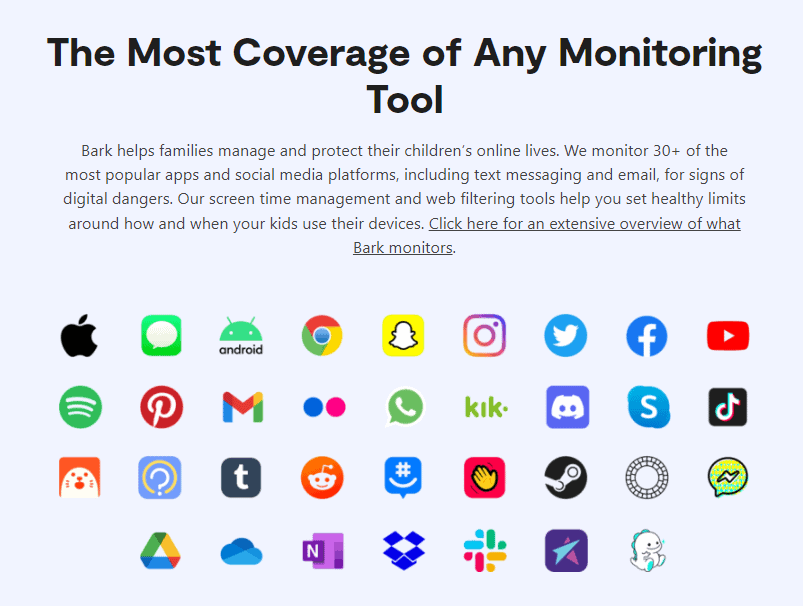
Bark is a cleverly named solution that acts as a watchdog for your children’s social media activities, protecting them from all the online dangers that kids face in the digital age. Founded in 2015 in Georgia, the company received a great amount of media coverage in the U.S. – and for good reasons. Detecting over a hundred sexual predators and many potential acts of violence in American schools, Bark is one of the most comprehensive parent control tools on the market. It keeps an eye on text messages and covers over 30 popular apps and social media platforms. The service goes beyond just analyzing keywords. It uses artificial intelligence and statistical techniques to study context and give parents warning signs of cyberbullying, depression, drug use, and a host of other issues that are a huge concern for families. The best part is that you can take advantage of the 7-day free trial to test out Bark’s services and see if it fits your needs.
Although it may seem like an invasion of privacy, parental control apps protect children from harmful content and cyberbullies.



Although there isn’t one sure way to eradicate cyberbullying, parents can support their children in overcoming it. Ignoring all forms of online harassment is one way to go about it, and kids may do so by blocking the bully on social media. As the saying goes, ‘out of sight, out of mind’, so children can cut off and prevent all communication with the bully. In addition, parents can limit access to technology, which helps kids step away from the harsh reality of social media. At the same time, parents can encourage youngsters to report any serious incidents or threats right away.
Situations can develop fast when it comes to bullying, so it’s best to act as soon as possible. Depending on the severity of the cyberbullying, adults should keep messages, photos, and voice notes as evidence in case the matter needs to be reported to the police. However, if the online harassment becomes too much for the child to bear, parents should seek professional help from a therapist who can assist kids in overcoming the psychological aftereffects of cyberbullying.
Dealing with online abuse is an overwhelming and emotionally draining experience for children. Even so, parents can help their kids combat cyberbullying by staying up to date with their online activities, either by speaking to them or by using parental control software.
Share your thoughts, ask questions, and connect with other users. Your feedback helps our community make better decisions.
©2012-2026 Best Reviews, a clovio brand –
All rights
reserved